

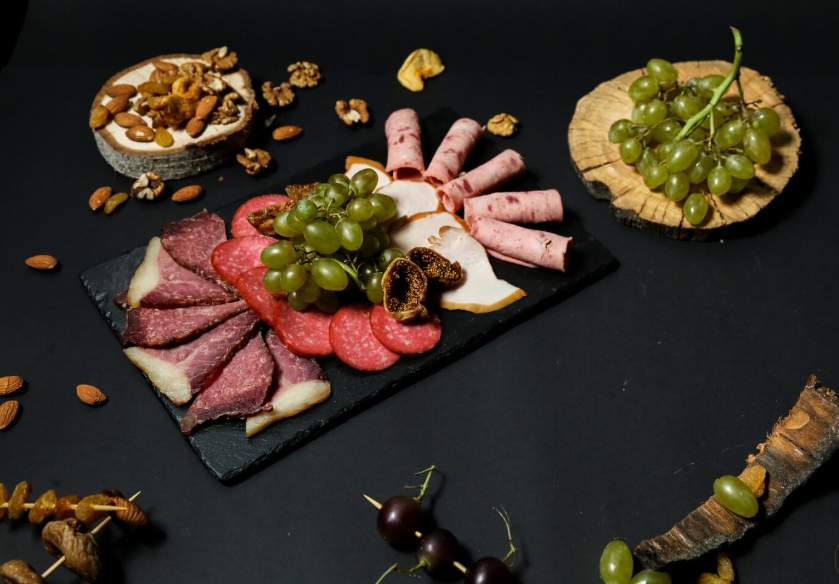
A well-prepared kosher meat platter can make entertaining easier while giving guests a selection of flavorful foods to enjoy. Whether you are hosting a family dinner, holiday gathering, Shabbat meal, or casual celebration, a thoughtfully arranged platter can serve as an attractive appetizer or part of a larger meal.
Knowing how to build a kosher meat platter starts with choosing suitable meats and then adding complementary foods, appropriate portions, and an appealing presentation. With a little planning, it is possible to create a platter that looks inviting and works well for the occasion.
Start With Kosher Meat Selection
The meat is the foundation of the platter, so begin by choosing several options that provide variety. Depending on the occasion, you can combine different textures, seasonings, and preparation styles.
Choose a Variety of Meats
Consider including options such as kosher salami, pastrami, roast beef, smoked meats, or other certified kosher selections. Choosing meats with different flavors can give guests more options without making the platter unnecessarily complicated.
Look for a balance between milder and more strongly seasoned choices. This allows guests with different preferences to find something they enjoy.
Check Kosher Certification
When preparing kosher appetizers, it is important to verify that the meats and packaged ingredients have appropriate kosher certification. This applies not only to the main meat selections but also to any sauces, spreads, crackers, or other prepared foods included on the platter.
If you are entertaining guests with specific kosher requirements, checking labels and certifications before assembling the platter can help avoid problems later.
Select Complementary Ingredients
Once the meats have been chosen, add foods that complement their flavors and provide different textures. The goal is to create a balanced platter rather than simply filling a tray with meat.
Add Fresh Foods
Fresh fruits and vegetables can provide color and a refreshing contrast to savory meats. Grapes, apples, cucumbers, cherry tomatoes, and other suitable produce can work well depending on the season and the rest of the menu.
Choose ingredients that are easy for guests to pick up and eat. This is particularly useful when the platter is being served during a social gathering.
Include Pickles and Olives
Pickled foods can add acidity and a stronger flavor that works well alongside rich meats. Pickles, olives, and other suitable preserved vegetables can also make the platter visually more interesting.
Arrange them in small sections so guests can easily identify and serve themselves.
Choose Suitable Breads and Crackers
Bread and crackers provide a simple way for guests to combine different ingredients. Depending on the meal and kosher requirements, choose appropriate options that complement the meats without overwhelming their flavors.
Having a few different textures can make the platter more enjoyable, particularly when it is being served as an appetizer.
Plan the Right Portions
Portion planning is an important part of creating successful kosher meat platter ideas. The amount you need will depend on the number of guests and whether the platter is an appetizer, part of a meal, or the main food being served.
Consider the Role of the Platter
If the platter is being served before a full meal, guests will usually need smaller portions. If it is one of the main foods at a casual gathering, increase the amount of meat and provide more substantial accompaniments.
Consider the rest of the menu as well. A platter served alongside several other appetizers will require different quantities than one serving as the primary food option.
Provide Enough Variety
It is usually better to offer a balanced selection than an excessive number of similar meats. A few carefully chosen options can provide enough variety while leaving room for complementary foods.
For a larger gathering, you can increase the quantity of the most popular selections rather than adding too many different ingredients.
Arrange the Meat Platter
Presentation can turn a simple selection of ingredients into an attractive centerpiece. Start by deciding how much space each type of food should occupy and then arrange the larger ingredients first.
Arrange the Meats First
Place the main meat selections across the platter rather than keeping everything in one section. Sliced meats can be folded, rolled, layered, or arranged in small groups to create visual variety.
Keeping different varieties clearly separated also makes it easier for guests to identify what they want.
Fill the Open Spaces
After arranging the meats, add smaller ingredients around them. Place olives, pickles, fruit, vegetables, or other accompaniments in open areas to create a fuller presentation.
Avoid overcrowding the platter. Guests should still have enough space to pick up individual items without disturbing everything around them.
Keep Kosher Requirements in Mind
When building a kosher meat platter, the ingredients and preparation process both matter. Hosts should consider the kosher standards they are following and make sure that the foods, utensils, serving dishes, and preparation areas are appropriate.
Check Prepared Ingredients
Packaged spreads, crackers, sauces, and other prepared foods can have their own certification requirements. Review labels carefully rather than assuming that an ingredient is suitable because it appears to be a simple food.
If you are purchasing a prepared meat platter or ordering individual components, ask about the applicable kosher certification when necessary.
Consider How the Platter Will Be Served
The serving setup should also reflect the kosher requirements of the meal. Keep the platter, utensils, and accompanying foods organized so that guests can serve themselves comfortably while maintaining the standards being followed.
For formal gatherings, planning the serving arrangement in advance can make hosting much easier.
Match the Platter to the Occasion
The style of the platter can change depending on the event. A casual family gathering may call for a relaxed presentation, while a holiday meal or formal dinner may benefit from a more polished arrangement.
Family Gatherings
For family meals, focus on familiar meats and easy-to-eat accompaniments. A variety of options allows different family members to choose what they prefer without requiring a complicated menu.
Holiday Entertaining
Holiday entertaining provides an opportunity to create a more elaborate presentation. Seasonal ingredients and carefully arranged meats can make the platter feel like an intentional part of the celebration.
Consider how the colors and ingredients will work alongside the other dishes being served.
Shabbat and Special Meals
A meat platter can also work as an appetizer or starter for a Shabbat meal or another special gathering. In these situations, consider the overall meal when deciding how much food to serve and which accompaniments to include.
The platter should complement the main dishes rather than competing with them.
Make the Platter Easy for Guests to Enjoy
A beautiful presentation should also be practical. Arrange the ingredients so guests can easily see and reach each option.
Use small serving utensils or dishes when appropriate, particularly for spreads and other ingredients that should not be picked up directly. If you are serving a large number of people, multiple smaller platters may be easier to manage than one very large platter.
This approach can also allow you to place platters in different areas of the room, making them more accessible during a busy gathering.
Create a Kosher Meat Platter With Fleish Boards
For hosts who want a convenient and thoughtfully presented option, Fleish Boards offers meat board selections suitable for entertaining and sharing.
A professionally prepared board can simplify the process of selecting and arranging different meats while providing an attractive presentation for guests. Whether you are planning a family gathering, holiday celebration, or special meal, a well-prepared meat platter can make serving easier and more enjoyable.
When selecting a board, consider the number of guests, the type of event, the other foods being served, and any specific dietary or kosher requirements.
Final Thoughts
Learning how to build a kosher meat platter is mainly about balancing the right ingredients, portions, presentation, and preparation requirements. Start with certified kosher meats that offer different flavors and textures, then add suitable breads, fresh foods, pickles, olives, and other complementary ingredients.
Keep the size of the platter appropriate for the number of guests and consider whether it will be served as an appetizer or as part of the main meal. Thoughtful arrangement can make the food easier to enjoy while creating an attractive centerpiece for the table.
With careful ingredient selection and practical presentation, a kosher meat platter can be a simple and enjoyable way to entertain guests.
Frequently Asked Questions
1.What should be included on a kosher meat platter?
A kosher meat platter can include certified kosher meats such as salami, pastrami, roast beef, or smoked meats, along with suitable vegetables, fruit, pickles, olives, breads, crackers, and other complementary ingredients.
2.How do I make sure a meat platter is kosher?
Check that the meats and other prepared ingredients have appropriate kosher certification. You should also consider the preparation, utensils, serving dishes, and other requirements relevant to the kosher standards being followed.
3.How much meat should I include per person?
The appropriate amount depends on whether the platter is an appetizer or a main part of the meal. Consider the number of guests, the length of the event, and how many other foods will be served.
4.What goes well with a kosher meat platter?
Fresh fruit, vegetables, pickles, olives, suitable breads, crackers, and appropriate spreads can complement the flavors and textures of different meats.
5.How should I arrange a meat platter?
Start by arranging the larger meat selections and then fill open spaces with smaller complementary ingredients. Folding or rolling sliced meats and separating different varieties can create a more organized presentation.
6.Can a kosher meat platter be served at a holiday gathering?
Yes. A kosher meat platter can work well for holiday meals and celebrations when all ingredients, preparation, and serving practices meet the applicable kosher requirements.
7.Is a meat platter suitable as an appetizer?
Yes. A meat platter can work as an appetizer when served in appropriate portions alongside complementary foods. For a larger meal, keep portions moderate so guests still have room for the main courses.


