

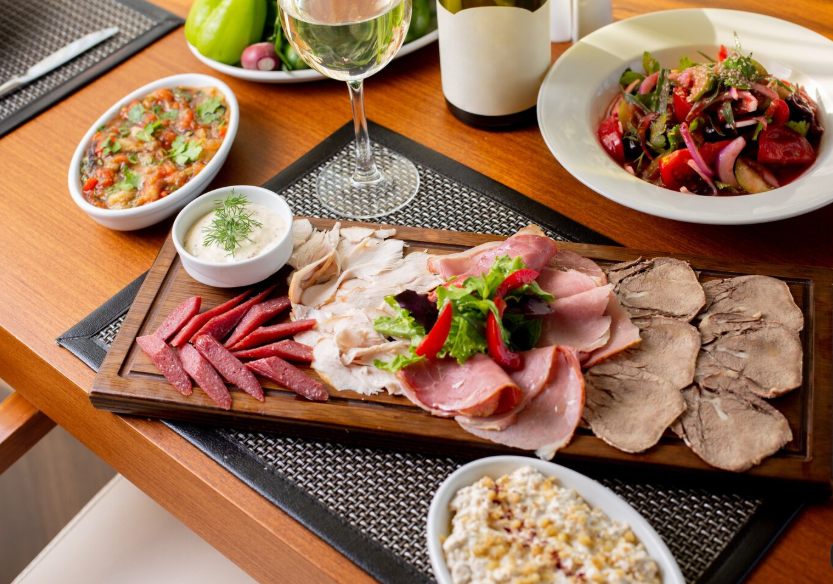
A well-prepared meat board can turn a simple gathering into a memorable meal. With a thoughtful combination of cured meats, complementary foods, attractive presentation, and enough variety for different preferences, a meat board can work as both an appetizer and a centerpiece for a celebration.
Whether you are hosting a family dinner, birthday party, holiday gathering, or casual get-together, there are plenty of meat board ideas for a party that can be adapted to the occasion. The key is to create a balanced board that looks inviting while giving guests enough choices to enjoy.
Choose Meats That Offer Variety
The meat selection is the foundation of any party meat platter. Instead of choosing several similar options, consider including different textures, flavors, and styles to give guests more variety.
Combine Different Types of Meat
A well-rounded board can include options such as sliced salami, pastrami, roast beef, smoked meats, or other cured and prepared meats. Mixing familiar favorites with one or two distinctive options can make the board more interesting without making it overwhelming.
When choosing meats, think about how they will work together. Mild options can provide a familiar starting point, while more seasoned or smoky varieties can add stronger flavors.
Consider Your Guests
The best meat board depends on who you are serving. For a family gathering, familiar flavors may be more popular, while a dinner party may give you an opportunity to introduce guests to different varieties.
If you are serving guests who follow specific dietary practices, make sure the meats and accompanying ingredients meet their requirements. For gatherings centered around kosher food, choose products and preparation methods that are appropriate for the occasion.
Add Complementary Foods
Meat is only one part of a successful board. The right accompaniments can add texture, freshness, sweetness, and contrast to the overall presentation.
Include Fresh and Pickled Options
Fresh vegetables and fruit can provide a refreshing contrast to savory meats. Grapes, sliced apples, cucumbers, tomatoes, or other seasonal produce can add color and freshness to the board.
Pickled vegetables can provide acidity that balances richer meats. Options such as pickles, olives, or pickled vegetables can also add variety without requiring much preparation.
Add Bread and Crackers
Bread and crackers give guests an easy way to combine different ingredients. Choose options with different textures, such as sliced bread, crisp crackers, or toasted pieces.
For larger gatherings, provide enough serving options so guests do not have to wait for one particular item to become available.
Include Dips and Spreads
Dips and spreads can help bring the different elements of a board together. Depending on the occasion, you might include mustard, savory spreads, hummus, or another suitable accompaniment. Keep stronger flavors balanced with milder choices so that the dips complement the meat instead of overpowering it.
Plan Portions for Your Gathering
One of the most important parts of preparing a meat board is estimating how much food you need. The right amount depends on whether the board is being served as an appetizer, part of a larger meal, or the main food option.
Adjust Portions Based on the Occasion
If the board is an appetizer before a full meal, guests generally need smaller portions. If it is the main food served at a casual gathering, plan for more food per person and include a wider selection of accompaniments.
It is also helpful to consider the length of the event. A board served during a short gathering may require less food than one that guests will return to throughout an afternoon or evening.
Provide Enough Variety
A large board does not necessarily need dozens of different ingredients. A thoughtfully selected combination of meats and accompaniments can be more appealing than a crowded board with too many similar items.
Choose a few reliable favorites and build around them with complementary foods that provide different flavors, colors, and textures.
Create an Attractive Presentation
Presentation can make a major difference when serving a meat board at a party. Guests often see the board before they begin choosing what to eat, so arranging the ingredients thoughtfully can make the food more inviting.
Start With the Larger Items
Place larger portions of meat and other substantial items first. This gives you a basic structure for the board and makes it easier to position smaller ingredients around them.
Fold or arrange sliced meats in different ways to create visual variation. Some can be rolled, while others can be layered or folded into smaller sections.
Fill the Empty Spaces
Once the main items are arranged, use smaller foods such as olives, pickles, fruit, nuts, or crackers to fill open areas. This creates a fuller appearance without requiring excessive amounts of any single ingredient.
Try to keep similar foods separated when possible. Spreading colors and textures across the board can make the overall presentation more appealing.
Match the Board to the Occasion
Meat boards can work for many different types of gatherings, but the selection and presentation can be adjusted to suit the event.
Family Gatherings
For a family gathering, focus on approachable flavors and foods that appeal to different age groups. Include familiar meats alongside simple accompaniments so guests can create combinations they enjoy.
A family-style meat board can also be placed in the center of the table, allowing everyone to serve themselves throughout the meal.
Birthday Parties and Celebrations
For birthdays and other celebrations, presentations can be more playful and colorful. Arrange the ingredients in a way that makes the board feel like part of the occasion rather than simply another serving dish.
Smaller boards can also be prepared for different areas of the party, particularly when guests will be moving between rooms or outdoor spaces.
Holiday Gatherings
Holiday meals often involve multiple dishes, making a meat board a useful appetizer or starter. Seasonal fruits, suitable spreads, and festive presentation can help the board complement the rest of the menu.
When planning a holiday gathering, consider the other foods being served so that the board adds variety rather than repeating ingredients found elsewhere on the table.
Casual Get-Togethers
A meat board is also an easy option for a relaxed gathering with friends. Instead of preparing a formal meal, hosts can offer a selection of meats, breads, vegetables, and spreads that guests can enjoy at their own pace.
This makes a meat board particularly useful for events where people may arrive at different times or spend several hours socializing.
Consider Kosher Food Requirements
For hosts planning kosher party food, ingredient selection and preparation are especially important. A meat board should be prepared using appropriately certified kosher meats and ingredients, while also following the relevant kosher preparation and serving requirements.
It is important to check the certification of packaged ingredients and any prepared foods included on the board. When serving guests with specific kosher requirements, careful planning can help ensure that the entire presentation is suitable for the occasion.
Make the Board Easy to Serve
A beautiful board should also be practical for guests. Arrange foods so they can be picked up easily without disturbing the rest of the presentation.
Use appropriate serving utensils where needed and avoid placing too many ingredients in one small area. If the gathering is large, consider creating multiple smaller boards rather than one oversized board.
This can make it easier for guests to access the food and reduce congestion around a single serving area.
Create a Meat Board With Fleish Boards
For hosts looking for an easy way to serve an attractive selection at their next gathering, Fleish Boards offers meat board options designed for sharing and entertaining.
A thoughtfully prepared board can bring together quality meats and complementary ingredients in a presentation that works for family gatherings, celebrations, dinners, and other occasions. Choosing a board that matches the size and style of your event can make hosting easier while giving guests an appealing selection to enjoy.
Whether you are planning a small family gathering or a larger celebration, the right meat board can provide a convenient and visually appealing addition to the table.
Final Thoughts
The best meat board ideas for a party combine variety, balance, presentation, and practicality. Start with a selection of meats that offers different flavors and textures, then add breads, crackers, fresh produce, pickled foods, spreads, and other complementary ingredients.
Portion sizes should reflect the role of the board and the number of guests, while the presentation can be adapted to suit everything from casual get-togethers to holiday celebrations. Hosts should also consider dietary requirements, including kosher food requirements, when choosing ingredients.
With thoughtful planning and a balanced selection, a meat board can become an easy and memorable part of almost any gathering.
Frequently Asked Questions
1.What should I include on a meat board for a party?
A party meat board can include several types of meat along with bread, crackers, fresh fruit, vegetables, pickles, olives, spreads, and other complementary foods. The exact selection can be adjusted based on the occasion and guest preferences.
2.How much meat should I serve per person?
The amount depends on whether the meat board is an appetizer or a main part of the meal. For an appetizer, smaller portions may be appropriate, while a board serving as a primary food option should include more meat and additional accompaniments.
3.What occasions are suitable for a meat board?
Meat boards work well for family gatherings, birthday parties, holiday celebrations, dinner parties, casual get-togethers, and other social occasions where guests can share food.
4.What foods pair well with a meat board?
Bread, crackers, fresh fruit, vegetables, pickles, olives, nuts, and suitable dips or spreads can complement the flavors and textures of different meats.
5.Can I create a kosher meat board?
Yes, a meat board can be prepared as kosher party food when the ingredients, meats, certification, preparation, and serving practices meet the applicable kosher requirements.
6.How can I make a meat board look more attractive?
Start by arranging the larger meat portions, then add smaller complementary foods to fill open spaces. Using different shapes, textures, and colors can create a balanced and inviting presentation.
7.Is a meat board suitable for a large gathering?
Yes. For a large gathering, consider preparing multiple boards or increasing the quantities of the main ingredients. Several smaller boards can also make it easier for guests to access the food.


